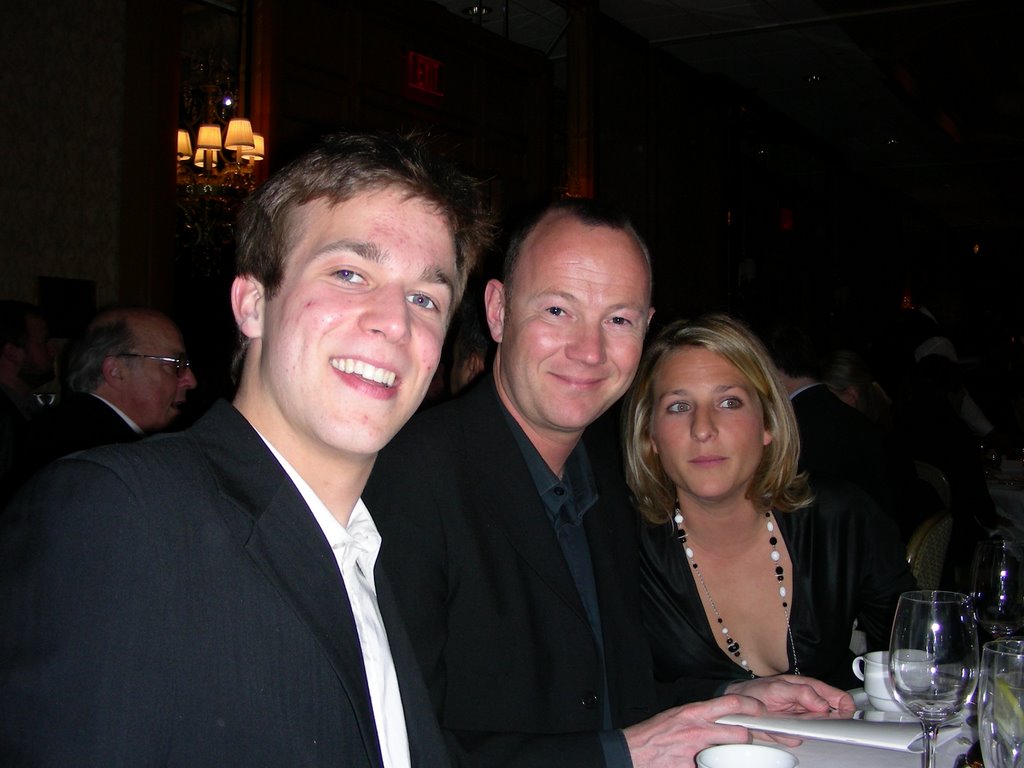
And yes, after this pause "ski", back in Hollywood ...
I agree that this salad was good for a Saturday evening, even if I had the heart to me in a dark room rengouffrer that end the evening at the restaurant! Anyway, the advantage of the weekend is that it takes two days, so I will give it tomorrow ...
We saw Alpha Dog, which I describe as "film friendly city" in which Justin Timberlake, Sharon Stone, Bruce Willis, but Emile Hirsch, Ben Foster and Anton Yelchin play characters of a drama California while "f ***", rap and small strokes. Not a masterpiece, but a good time, and especially dear to our American friends, "based on true events"! It's still signed Nick Cassavetes (She's So Lovely , Notebook / The Notebook ...), and it reminds me of the movie premiere attended my friends 'Paris' at the ArcLight a few weeks ago ... it reminds me that it would be so good that I do not wait too long to recount here below the visit of the most delicious!

But for tonight, let's stay in the film (movie)! So if the heart tells you, Alpha Dog released on March 21 on French screens.
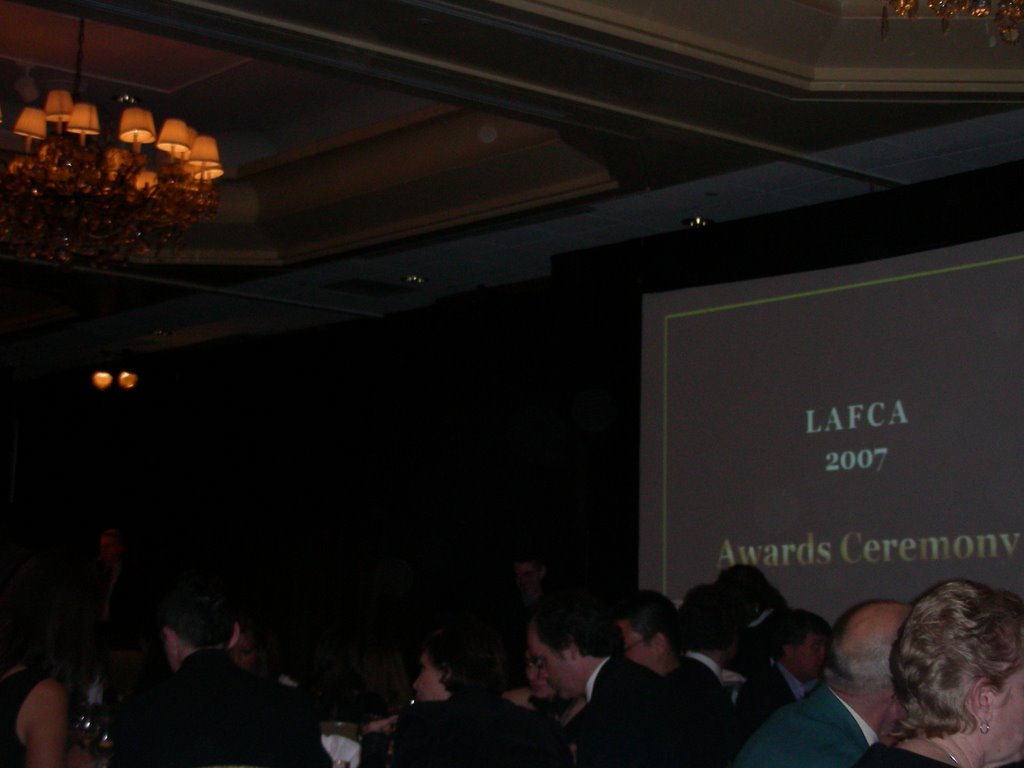
Flashback. Friday, January 26, Egyptian Theatre, Hollywood Boulevard. Costa-Gavras is in town for On Set With French Cinema , Unifrance this program to bring in French directors in the U.S. so they give master classes in American universities. Tonight, two great films: Missing and Z . Both part of "the great classics that I have not seen" I am rather pleased to discover on the big screen, and my Platoon in my chair for five hours, Mr. Gavras meet for one hour in an intelligent and interesting questions from the public between the two films. UGC connection, it reminds me a preview of Cleaver in Lille two years ago - one of the most exciting debates that I have ever attend! Souvenirs souvenirs ...

Jack Lemmon and Sissy Spaceck are incredible in Missing , respectively father and an American woman abducted by the military dictatorship in Chile. Their political beliefs are diametrically opposed, but are driven by the desire to find their son / husband. Magnificent and moving.

Z, or the investigation into the assassination of a political leader in an imaginary country (very close to Greece) militarized to excess, and corrupt all sides, is more strange and leaves an impression of cinematic oddity as the message politico-democratic and peaceful (peace?) gives way to cynicism and irony that make you laugh and smile but can also confuse. We find very good, Yves Montand, Jean-Louis Trintignant and a young reporter Jacques Perrin nasty.

The least we can say is that Costa-Gavras film hired a sign - an entertaining and highly intelligent, as attested by the long-standing ovation that greeted him, and that was the act of a public ... U.S..
Even further back, a small summary of the 2007 film that I currently highest. Released in late 2006 is here, you will discover on February 28 in theaters made in France. These are Notes on a Scandal ( a Scandal in VF). This is typically what one might call a "movie actors" as the force of history, and even the staging are brought by their interpreters! In this case by Dame Judi Dench, Cate Blanchett and Bill Nighy.
The story of a young woman (Blanchett) who has a liaision with one of his young students, learns a bitter and lonely old woman (Dench) who wants terribly to be friends with the youngest , and which thus serves to keep this story as a prey to blackmail her, and convince themselves to control everything ... But there will obviously be different, and if possible so complicated and dramatic. Truly a gem, whose only fault is to be really too short for the subject he treats. But the relationship between two women is led in master, exceeding the husband explodes in a scene high tension between Blanchett and Bill Nighy's excellent - but really, the absolute radiance in terms of cinematic orgasm, chills unhealthy voyeurism (as is the scenario) and admiration blissful Game actors intervenes in summits posed them face to face troubling fascinating between Blanchett and Dench. Two great actresses in the sky for a film noir about our obsessive and relationship at all.


Small bracket now on the French film of the moment I wait with great impatience, and so I find on the big screen - what I might be impossible question of timing ...
The trailer gives me chills, Marion Cotillard me like exceptional and it is obviously of Olivier Dahan's biopic about Edith Piaf, La Vie (14 February in France, 8 June in LA :-( - under the title La Vie en Rose also ^ ^)!


Good, and to close this article in beauty "and return to my chills ago two weeks face greatest actors Hollywood of moment here "exclusive" extracts interview Newsweek retranscribed (copyright Newsweek I precise one never too careful) according this famous and delicious "roundtable" with Cate Blanchett Penélope Cruz Helen Mirren Leonardo DiCaprio Brad Pitt and Forest Whitaker (cf. three posts lowest).
Videos that, as the pictures are not me ... Mais bon, après tout, ça rend très très bien ces deux heures de frissons cinématographiques !!
Bonne lecture en V.O. pour les plus courageux d'entre vous.
"Hollywood Royalty
Only one actor at our Oscar Roundtable really played a monarch. (Unless a zany tyrant counts.) But they all ruled in their 2006 films, and they certainly know how to hold an audience.
Only one actor at our Oscar Roundtable really played a monarch. (Unless a zany tyrant counts.) But they all ruled in their 2006 films, and they certainly know how to hold an audience.

By Sean Smith and David Ansen
Newsweek
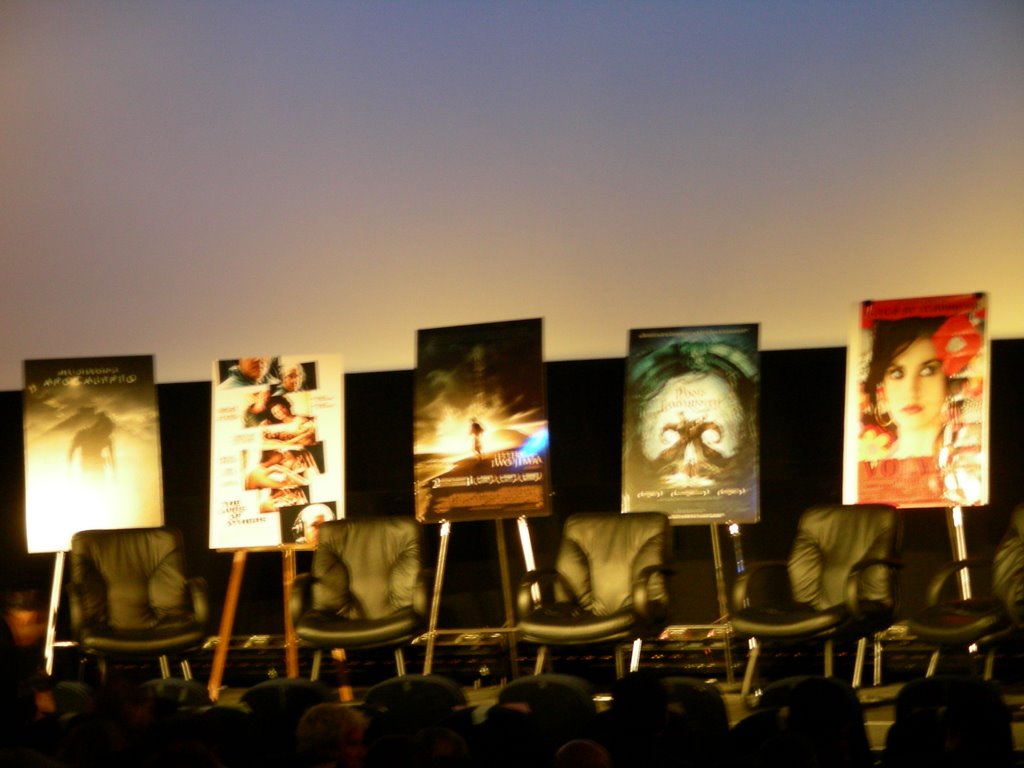
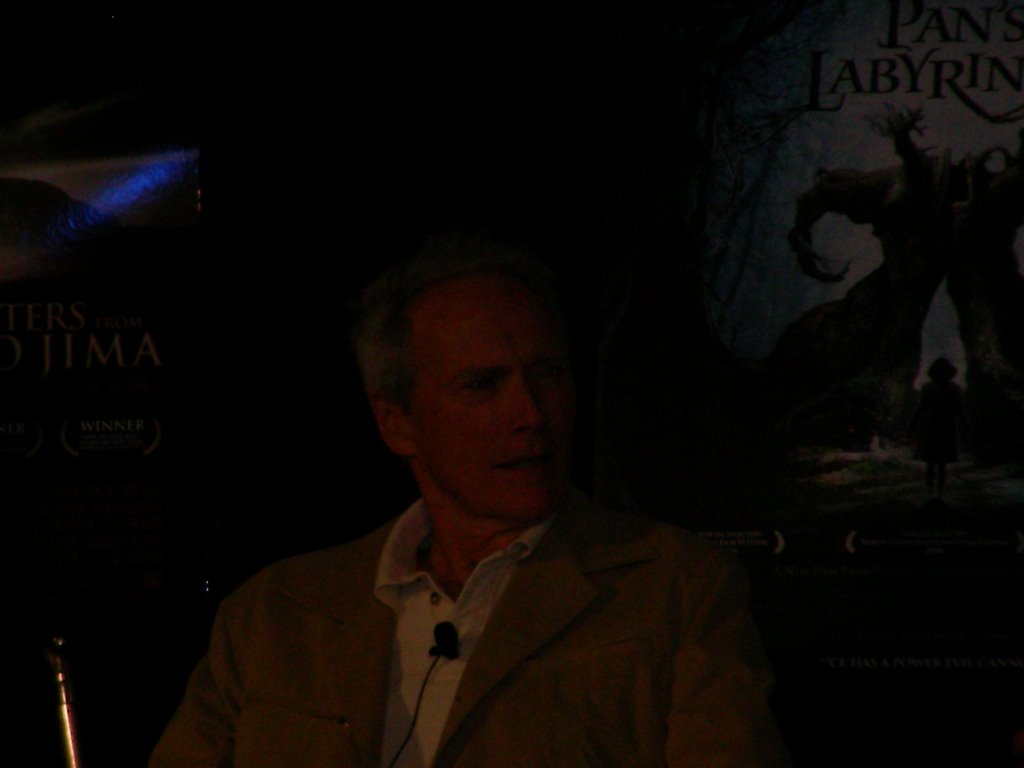
Jan. 29, 2007 issue - Security was tight. For the first time, NEWSWEEK'S annual roundtable was held in public, at the Egyptian Theater in Hollywood. We made sure to keep a few of the celebrities' names secret, and arranged for all of them to arrive via an inconspicuous side entrance to the theater. So imagine our surprise when Brad Pitt—the most paparazzi-hounded star on the planet—was dropped off on Hollywood Boulevard and strode blithely through the theater's front doors, disguised only by a pair of sunglasses. Onstage, Pitt was joined by five other remarkable actors of 2006: Cate Blanchett, Forest Whitaker, Helen Mirren, Penelope Cruz and Leonardo DiCaprio. Needless to say, the audience was buzzing. But so were the stars, who listened with obvious delight as their fellow actors discussed their lives, their craft, their passions and their fears. Pitt teased DiCaprio, who said he didn't appreciate being seen as "a piece of cute meat" after Titanic . "That you are," Pitt told him. Blanchett, who played Brad's wife in Babel , took some friendly potshots at Pitt's work ethic. They all schmoozed and laughed and asked each other questions for more than two hours—yes, bathroom breaks were permitted—and when time ran out, they didn't seem to want to stop. Neither did we. Excerpts:
Newsweek
Jan. 29, 2007 issue - Security was tight. For the first time, NEWSWEEK'S annual roundtable was held in public, at the Egyptian Theater in Hollywood. We made sure to keep a few of the celebrities' names secret, and arranged for all of them to arrive via an inconspicuous side entrance to the theater. So imagine our surprise when Brad Pitt—the most paparazzi-hounded star on the planet—was dropped off on Hollywood Boulevard and strode blithely through the theater's front doors, disguised only by a pair of sunglasses. Onstage, Pitt was joined by five other remarkable actors of 2006: Cate Blanchett, Forest Whitaker, Helen Mirren, Penelope Cruz and Leonardo DiCaprio. Needless to say, the audience was buzzing. But so were the stars, who listened with obvious delight as their fellow actors discussed their lives, their craft, their passions and their fears. Pitt teased DiCaprio, who said he didn't appreciate being seen as "a piece of cute meat" after Titanic . "That you are," Pitt told him. Blanchett, who played Brad's wife in Babel , took some friendly potshots at Pitt's work ethic. They all schmoozed and laughed and asked each other questions for more than two hours—yes, bathroom breaks were permitted—and when time ran out, they didn't seem to want to stop. Neither did we. Excerpts:
What did your parents think when you told them you wanted to be an actor?
HELEN MIRREN: My parents were very against the idea, so I trained as a teacher for three years. I was a horrible, really bad teacher. I didn't become a professional actress until I was about 22.
FOREST WHITAKER: My parents really wanted me to go to West Point—something practical like that. Ten years into my acting career they were still trying to get me to go back to school. I wasn't making much money, and sometimes really struggling, but I was, like, "No, Ma. This is what I want to do." Those were difficult conversations because I had my own doubts. It took me a long time to feel comfortable thinking, "I'm an actor. I can do this."
Cate, is it true that your first acting job was as an extra in an Arabic boxing movie?
CATE BLANCHETT: I was at university studying fine arts, and I took a year off and went traveling. I had 2,500 Australian dollars, which is nothing, and I traveled for a year on that, so I ended up in places like a bunker in Istanbul with water dripping from the ceiling. Later, I was staying in this place in Cairo. I literally had no money, and some Scottish guy who was printing money and passports in the foyer said, "Do you want to earn five Egyptian dollars?" It wasn't to sleep with anyone. It was to be an extra in this boxing movie, so I said, "Sure." They had free falafel.
MIRREN: We're all in it for the free food, actually. We are all, in our hearts, out-of-work actors.

It seems every actor, no matter how successful, thinks he'll never work again. Do you feel that way, Brad?
BRAD PITT: Not really, no. [ Laughter ]
You all had some surprising early jobs before you became actors. Forest was a classical tenor. Helen was a sort of carnival barker.
PITT: I had a job driving strippers around.
LEONARDO DICAPRIO: Really?
BLANCHETT: Just last month.
PITT: I love her. Yeah, my job was to drive them to bachelor parties and things. I'd pick them up, and at the gig I'd collect the money, play the bad Prince tapes and catch the girls' clothes. It was not a wholesome atmosphere, and it got very depressing. After two months I went in to quit, and the guy said, "Listen, I've got this one last gig tonight." So I did it, and this girl—I'd never met her before—was in an acting class taught by a man named Roy London [a famous acting coach]. I went and checked it out, and it really set me on the path to where I am now.
A stripper changed the course of your career.
PITT: [ Nods ] Strippers changed my life.
We'll see that in the National Enquirer next week.
PITT: [ Looks toward the ceiling ] I just want one week off. Just one.
Leo, you made your first film, This Boy's Life , at 16. What was that like?
DICAPRIO: I didn't know how to conduct myself on a film set. The director, Michael Caton-Jones, really took me under his wing. He said things like, "When you're rehearsing with Robert De Niro, you don't talk about what baseball cards you're collecting."
MIRREN: I was like a rabbit in headlights for years on film sets, not understanding who was doing what, and how you're supposed to behave. It is a terrifying environment, really.
Penelope, in Jamón, Jamón you played the daughter of a prostitute, and you became a sensation, and a sex symbol, at 17. What was that like?
PENELOPE CRUZ: One day I came out on the street for a walk with my dad, and somebody screamed from a car, "I love you!" And a minute later, somebody else screamed, "Whore!" [ Laughter ] Then I knew I was famous. It was unbelievable. I was 16 when I made the movie. I didn't tell my parents, and I was hiding the script from them. Then they took my grandmother to the premiere, and I always felt bad about that. But the movie was good, and it did a lot of good things for my career. Every role I accepted after that I was covered up to here. [ Raises her hand to her neck ]
Leo, you became a teen idol at an early age also.
DICAPRIO: I had a brief run at that on television, being thrown on the cover of teen magazines, and I was trying to work away from that. I wanted to establish myself as an actor who put a lot of thought into his characters and did good work. And then I did a movie called "Titanic," and there I was, right back into that position of being looked at as another piece of cute meat.
PITT: That you are . [ Laughter ]
DICAPRIO: It was pretty disheartening to be objectified like that. I wanted to stop acting for a little bit. It changed my life in a lot of ways, but at the same time, I can't say that it didn't give me opportunities. It made me, for the first time, in control of my career. But yeah, it was weird.
Brad, Hollywood wanted you to be a conventional leading man. You didn't.
PITT: Acting is about discovery, for me, and these "leading man" scripts—Leo can testify to this—they're all the same guy. You can plug any one of us into it and you get a variation on a theme, but anyone can do it. Where is the discovery in that?
BLANCHETT: So did you guys look to a relationship with a director to help champion the way out?
DICAPRIO: I definitely sought out the relationship with Martin Scorsese. It was important to me to find somebody I could trust. It's a weird thing to put your performance in another person's hands. We so often sit in rooms with directors and you hear their vision about a specific project, but there's a huge difference between what they say and what actually shows up on screen.
PITT: Do directors want you to [play a version] of them?
DICAPRIO: Sometimes you get that feeling, yeah.
MIRREN: It doesn't happen to women. You get to play their fantasy instead. But you know, [the industry] is always trying to put you in a box, and you're always having to fight your way out of it. They don't want you to grow up or grow older or change, so it's great when a role comes up that allows you to take that next step. It happened with me on Prime Suspect . Suddenly I was allowed to look like a woman of the age that I was. I didn't have to have glamorous lighting. I didn't have to wear makeup. It was fabulously liberating, and it's really why I'm still working, because I was allowed to step forward.

Forest, you've played roles that weren't actually written for black actors.
WHITAKER: I had moments where the directors were open enough to let me do that, yeah. In Good Morning, Vietnam , my character was written as a nerdy Jewish guy. In The Color of Money , the character was originally a Yuppie.
DICAPRIO: Was it really? That character was stellar. I remember seeing you in The Color of Money at a very young age, going, "Who is this guy?"
WHITAKER: I was a replacement. They fired somebody, and I flew in and auditioned. That's how it happened.
MIRREN: My husband [Taylor Hackford] directed ... what was it called? Oh, God, I forgot the name of it. Famous movie with Debra Winger?
An Officer and a Gentleman.
MIRREN: Thank you. The Lou Gossett Jr. role was written for a white man, and Taylor forced the studio to cast Lou. Lou won an Oscar for it, in fact.
Which movie made you want to become an actor?
CRUZ: Pedro Almodóvar's Tie Me Up! Tie Me Down! I was 13 when I saw that movie. I came out of the theater completely fascinated. I started to become obsessed with Pedro, and I decided then to become an actress.
BLANCHETT: The only role I wanted to play was Lucy in You're a Good Man, Charlie Brown . I also wanted to be Gregory Peck.
PITT: I remember sneaking into Saturday Night Fever , and it had a profound effect on me. [ Laughter ]
MIRREN: The first movie that caught my imagination was L'Avventura , by Antonioni. Until then I had seen only Rock Hudson/Doris Day movies, and I wasn't into them very much.
WHITAKER: When I was a kid there weren't a lot of black actors working in films, so acting didn't seem like a possibility. The first actor I remember being struck by was Sidney Poitier.
DICAPRIO: I tried to get an agent when I was around 7. I was a break-dancer and had a mohawk, and I was rejected. I knew I wanted to be an actor, but it wasn't until This Boy's Life , when I was 16, that I started to research quality films. I remember watching James Dean in East of Eden. I said to myself, "Wow, I didn't know it was possible to give a performance this good."
PITT: Although you were extraordinary on Growing Pains .
DICAPRIO: Thank you, buddy. As were you.

Leo, didn't you get thrown off the set of Romper Room ?
DICAPRIO: Yeah, when I was 3 years old. I ran up to the camera and started shaking it, saying, "Look at me!"
Dustin Hoffman famously asked Laurence Olivier once what acting was all about, and Olivier replied, "Look at me, look at me, look at me."
MIRREN: I hate being looked at.
BLANCHETT: I think it's probably "Look into me." What we perceive to be naturalism or realism has been utterly eroded by so-called reality television, where people are performing themselves. But what we do, actually, is unmask and reveal what it means to be human, and allow someone in. It's taken me a long time to allow myself to be exposed in front of a camera.
PITT: Acting is really a team sport. A lot of times one actor will become the MVP, but just like in tennis, your game is elevated if you're playing with someone better. I mean, just look at the way Cate compensated for George Clooney in The Good German . [ Laughter ]
Are there roles that you look at and think, "I wish I could have played that"?
DICAPRIO: Tons. Burt Lancaster in Sweet Smell of Success . De Niro in Taxi Driver .
CRUZ: Either of the two women in Terms of Endearment . Carmen Maura in Women on the Verge of a Nervous Breakdown . Shirley MacLaine in The Apartment .
BLANCHETT: Anything Elizabeth Taylor has ever done.
MIRREN: It's not that you want to play the role; you're inspired by it. It's not as if you're sitting there going, "Oh, I would have been better." [ Pause ] Well, sometimes you are. [ Laughter ]
BLANCHETT: There's a moment in A Streetcar Named Desire , where Vivien Leigh has just gone into the bathroom, and Marlon Brando's banging on the door, and she opens the door and his hand flinches . It's the most astonishing shot. This guy that Brando could have played with complete brutality, and [instead he shows] his vulnerability, in that hand.
DICAPRIO: I wanted to ask everyone something: we all talk about being "in the zone"—becoming our character—but there are so many technical things that happen when you're making a movie, it's impossible not to realize that there's a camera there, and your character has to emote this specific emotion. Those moments where it all disappears, and you're really speaking as this other person? I'm lucky if that happens more than once on a movie.
PITT: I find alcohol helps. [ Laughter ]

When you're watching a movie, are you always aware of the actors' technique, or can you get lost in it the way we do?
MIRREN: Completely lost.
BLANCHETT: Well, I didn't get lost in Battlefield Earth .
Was there a role you'd wished you'd played that you didn't?
BLANCHETT: I've been lucky in a way. In school I was tall and my sexuality was dubious. I was always playing men. And then my nationality has been dubious, having played Elizabeth I quite early in my film career. So I feel like I got some weird and wonderful choices.
PITT: [ To DiCaprio ] Our sexuality has been dubious as well. [ Laughter ]
Would you care to discuss that?
PITT: No, there's been enough discussion.
BLANCHETT: We have photographs.
Was there a role that caused you more anxiety than others?
BLANCHETT: They all scare me. But I tell myself that anxiety is just misplaced excitement. You're constantly risking failure, so I never watch the films I'm in. That way, I always feel like, "OK, that worked." I had an experience on Babel which I've never had shooting a film. I thought, "God, that was a really great take." And then I saw the film, and the whole scene was played on Brad. [ Laughter ]
Helen, do you know what Queen Elizabeth thinks of your portrayal of her?MIRREN: Of course I don't.
Has she seen it?
MIRREN: I'm sure. Who could resist? Someone who is very close to the queen, a great historian named Robert Lacey, said he thinks she would have said, as the credits rolled, "That wasn't too bad, was it? I think I'll have a gin and tonic."
PITT: How did you start shaping her? She's got this great fireplug walk, and your glasses were always halfway down the bridge of your nose.
MIRREN: Obviously there's a lot of film on her, but it's of her in her formal role—hardly anything behind closed doors. Playing a real character, you have to behave likea detective and see things that maybe no one else has. She's unbelievably composed, but on the films I noticed that her thumb is always turning her wedding ring round and round and round. There's this inner beat, this tension.

When you're creating a character, do you need to find something external like that? Penelope, in Volver —
CRUZ: I know what you're going to ask.
You wore a padded butt for your role.
MIRREN: I had a padded butt in The Queen , as well. It wasn't just Penelope.
CRUZ: Oh, I'm so happy! Now every time someone asks me this, I'm going to say, "Helen had one, too."
Did the butt help?
CRUZ: Completely. Pedro and I didn't talk about it. Maybe a one-minute conversation. It just made me work in a different way, move in a different way. It was like finding the right shoes for the character.
You've all done some impressive accent work in your careers. Cate has done three different ones this year. Is it a hurdle to get over when you're building a character?
WHITAKER: Accents help me figure out how to move, how to gesture. I think sometimes when an actor's accent doesn't work, it's because it isn't connected to the body.
MIRREN: Until you nail the accent it is paralyzing. You can't act—you can't do anything—because all you can hear is your voice making the wrong sound. What's even more difficult is what Penelope has done. I think to act in a foreign language is the most unbelievably difficult thing. I can't imagine it.
Penelope, your first English-language film was The Hi-Lo Country . Was that scary?
CRUZ: Oh, so scary. I didn't understand a word [director] Stephen Frears was saying. He's very sweet, but he has a very strong accent, and I only knew my dialogue for the character. I was always going to the bathroom to cry and coming back and trying to hide it.
Brad, your Irish Gypsy accent in Guy Ritchie's Snatch is so great that we can't understand a word you're saying.
PITT: That was last-minute, night-before, full-panic mode. I kept trying to get the dialect—I probably started a little late—and it was just too stiff. I went to Guy the day before and said, "You've got to do this part. I can't do it." And he's, like, "Yeah. Right." But it occurred to me that the genius of what Benicio Del Toro had done in The Usual Suspects was that you couldn't understand what he was saying a lot of times. So about midnight, I started walking around the North End of London, working on it and working on it, and it just kept getting more and more indecipherable. Thank God it worked.
BLANCHETT: I never think of accents as something that's slapped on. It's syntax and rhythm and breath. It's about when people choose to pause, what words they emphasize. You can say it's accent, but it's actually thought process. It's got to be organic. And I think the earlier you can start the better. Brad . [ He mimics being stabbed in the heart .]
MIRREN: You're absolutely right. It's not something that you glom on the top, as if language and accent are separate. Americans are always saying, "Oh, I love your accent." I don't have the bloody accent. You've got the accent. [ Laughter ] No, I never say that. I say, "Thank you so much. How sweet of you."
Do you feel differently about your work than you did when you started acting?
PITT: When I started I had this idea that the films I did defined me, and that my life would be interesting based on the characters I'd chosen. I don't feel that way anymore. I'm a father now. There are other things that are important to me. I was chasing something that wasn't fulfilling. I caught myself on the phone the other day—Leo has been playing some real strong men these last few years—and I found myself saying, "I want to play more of a man." I got off the phone and I thought, "No. Live like a man, and the movies will follow."
WHITAKER: I had to learn to not divorce my life from my work. My work is a continual process of growth for me; it's an expansion of myself. In the last couple of years, I've been taking things I learn about myself in my work and using it to be more completely there for my kids, my family, my friends. It's flowing in a complete way. It has been a bit of an awakening.
DICAPRIO: Man, I've got to get some kids, huh? I only really started enjoying acting when there was a certain level of detachment from the end result. I remember being 15 and going on 160 auditions, and not getting a single role for a year and a half. I realized I was turning into one of those Hollywood kids: "Hi, I'm Leo ! And I'm going to be reading today! Oh yeah, I had a great day at school! I love school!" [ Laughter ] I had become a product of this system where everyone is aiming to please the director, the casting director, whomever. So I started to think about the character—the work—instead of the result. You know, kids are always asking me what they should do to become actors. You give them the pat answers: "Study your lines. Work hard. Don't give up." But what I want to tell them is, "You have to not care what these people think about you."
MIRREN: You were lucky to learn that at 15. Marlon Brando's great acting advice was, "Don't care too much." I never understood that, because I cared so much, and still do. But what he meant was, let go of that total investment in "Are they going to love me?" "Am I going to be good?" F--- that. Maybe that's what Brad is saying as well.
PITT: Yeah, but it took me 800 words to say what he did in four.

You're all rich. You're all famous. You've all received critical acclaim. Why work? Why keep acting?
DICAPRIO: I love it. There's no other art form in the world that affects me more. There's nothing that I walk away from feeling transformed by the way I do with cinema. There's something so gratifying about being burned into celluloid and knowing that I can look back later in life and have stories about those experiences. It's an amazing gift.
WHITAKER: It's magic. Who wouldn't want to be a part of that?
CRUZ: It gives me so much happiness to know that I will never know everything about acting. That fear of not knowing will always be with me, no matter what happens.
PITT: It's the love for the story, and a respect for the business. I want to be better in it, and better for it. I'm still striving for that. And I believe in the power of films.
BLANCHETT: Krzysztof Kieslowski said that filmmaking is a conversation with an audience. When you're connecting with other people, it's utterly thrilling. I feel alive when I'm acting. It's tragic, but true. I would die in a rehearsal room if I could.
Helen, what keeps you acting?
MIRREN: Money. [ Laughter ] And it's incredibly good fun. Of course, there are some intense artistic reasons, but I'm not going to go into them. So, yeah, fun and money.
© 2007 Newsweek, Inc.